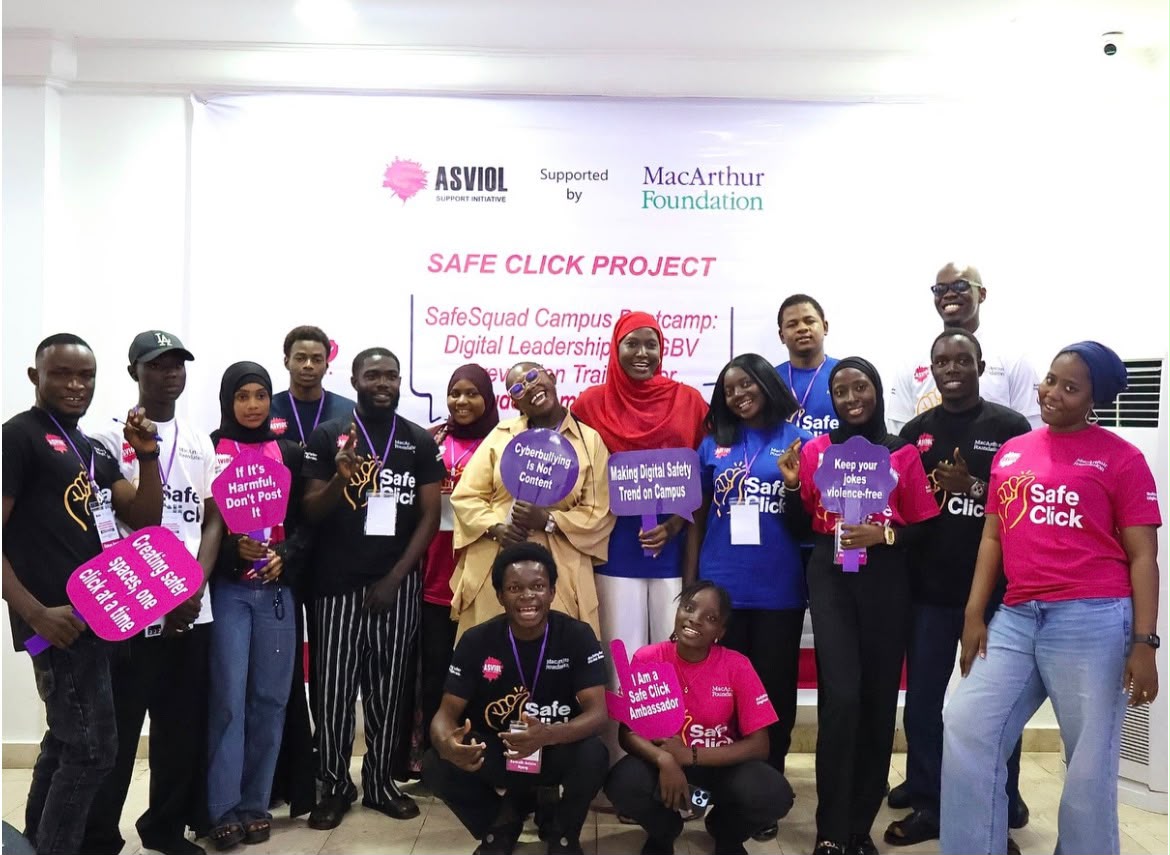
The Importance of Including Sexual and Gender-Based Violence (SGBV) Education in Our Curriculum
Sexual and Gender-Based Violence (SGBV) is a pervasive issue affecting individuals worldwide, regardless of age, gender, or socioeconomic status. It encompasses a range of harmful acts, including sexual abuse, domestic violence, and gender discrimination. Integrating SGBV education into our curriculum is crucial for several compelling reasons: raising awareness, fostering empathy, promoting safe environments, and equipping individuals with the knowledge to prevent and respond to violence.
Raising Awareness
One of the primary benefits of including SGBV in the curriculum is raising awareness among students about the prevalence and impact of such violence. Many people are unaware of the extent of SGBV and its devastating consequences on victims’ physical, emotional, and mental health. By educating students from an early age, we can increase awareness and understanding, helping to dismantle myths and misconceptions about SGBV. This awareness is the first step towards societal change, as informed individuals are more likely to recognize, speak out against, and prevent violence in their communities.
Fostering Empathy and Respect
Education on SGBV is not just about imparting knowledge; it is also about fostering empathy and respect for others. Through discussions, role-plays, and real-life case studies, students can develop a deeper understanding of the experiences of those affected by SGBV. This empathy can lead to more respectful and supportive interactions, reducing the stigma and isolation often experienced by survivors. By cultivating a culture of respect and empathy, educational institutions can play a pivotal role in changing societal attitudes towards gender and violence.
Promoting Safe and Inclusive Environments
Schools and educational institutions are microcosms of society. By integrating SGBV education into the curriculum, we can promote safe and inclusive environments where all individuals feel valued and protected. Students learn about their rights and the importance of consent, healthy relationships, and bystander intervention. These lessons are crucial in preventing SGBV and ensuring that schools are places of safety and support rather than fear and discrimination.
Equipping Individuals with Knowledge and Skills
Incorporating SGBV education into the curriculum equips students with the knowledge and skills needed to prevent and respond to violence. This includes understanding what constitutes SGBV, recognizing warning signs, knowing where to seek help, and learning how to support victims. Additionally, students can be taught conflict resolution, effective communication, and self-defense techniques. Empowering individuals with these tools not only helps in preventing SGBV but also builds a more resilient and informed community capable of addressing and mitigating the effects of violence.
Encouraging Legal and Social Reforms
Education is a powerful catalyst for change. By prioritizing SGBV education, we can encourage future generations to advocate for legal and social reforms that protect and support survivors of violence. Students who are educated about SGBV are more likely to become advocates for policies that promote gender equality and justice. They may also pursue careers in social work, law, healthcare, and other fields where they can continue to make a difference in combating SGBV.
Conclusion
The inclusion of Sexual and Gender-Based Violence (SGBV) education in our curriculum is not merely an academic exercise; it is a vital component of creating a just and equitable society. By raising awareness, fostering empathy, promoting safe environments, and equipping individuals with essential knowledge and skills, we can significantly reduce the prevalence of SGBV. Moreover, through education, we can inspire future generations to advocate for the necessary legal and social changes to support survivors and prevent violence. It is imperative that educational institutions recognize the importance of this issue and take proactive steps to integrate SGBV education into their curricula, ensuring a safer and more inclusive future for all.